
Privacy Policy Alani Luce Tranquilla
This site uses cookies to improve users' browsing experience and to collect information about the use of the site itself.
Legal notice - Legal notice - Mentions légales
Therapy
Behavior Therapy
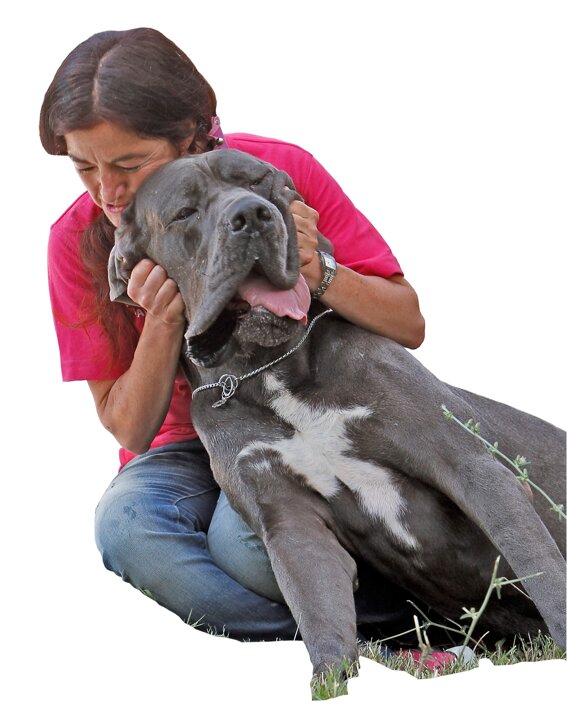
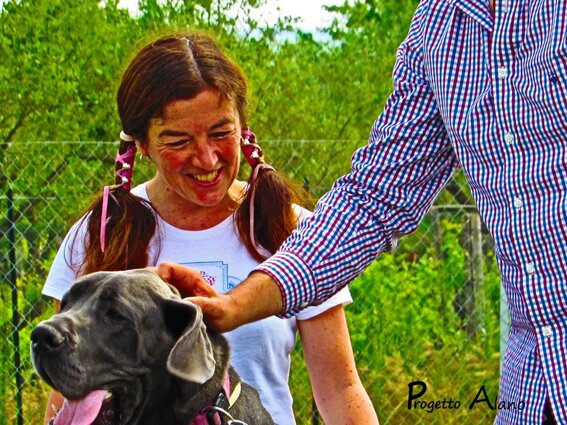
When something is wrong with our dog's behavior, what is sick first and foremost is our relationship with him, but we have the power to rebalance it by regaining awareness, communication skills, and consciousness of our educational duty towards the dog. By changing our behaviors, we have the possibility to induce the dog to change his, which, although undesirable in our eyes, are correct for him because he has acquired them from the life experiences we have offered him. Very complex behavioral norms, such as those of personal friendship, love, ambition, jealousy, or grief, are in fact very similar in various animals and in humans and, whether we like it or not, play a role in the preservation of the species. This does not mean that a dog is happy or sad in the same way we are, nor in exactly the same way as another dog. However, it does mean that, like them, we have the ability to modify our behaviors, manage our emotions, and enrich our motivations. We can learn to use this power to improve our dog's well-being and live better ourselves, building a relationship of reliance and trust that allows both to go beyond their own limits.

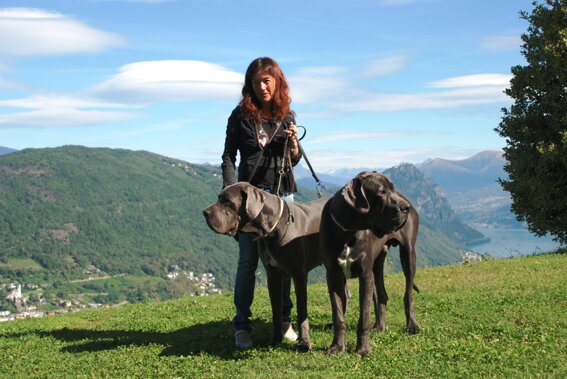

Relational Drifts
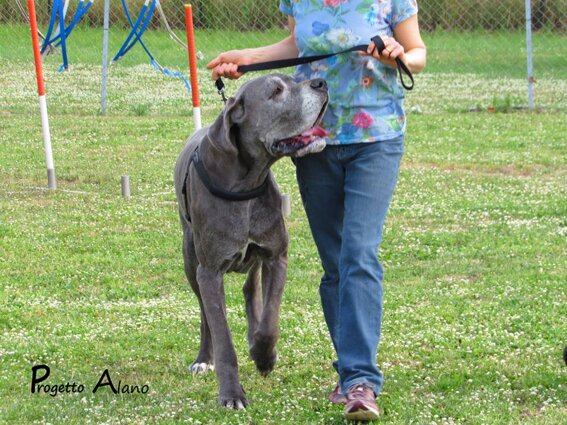
The current role of the dog in our lives is that of a prosocial animal; what we seek in the dog, rather than its usefulness (defense, guarding, hunting, etc.), is above all a life companion with whom to establish a relationship. To do this, we must be able to communicate correctly with a species different from our own and establish ourselves in the eyes of the dog as authoritative and credible referents, knowing its specific characteristics as an animal different from us, offering it a role and a social position within our family, and being aware of our educational and psycho-physical well-being duties towards it. The human/dog relationship, in order to benefit both parties, must be in balance, which means that all the dimensions it is composed of must be known, functioning, and as balanced as possible with each other, like a human body that needs all its organs to work harmoniously to feel well. There are six dimensions that form the relationship with the dog. They include the sphere of play, which covers performative and cognitive activities and comic games; the dimension of knowing: the external world, to be approached without bravado and without fear, and oneself with one's own canine limits, in order to be balanced and feel adequate in life with humans; the affective dimension, that is, taking care of the other and showing affection; the pleasure dimension, which concerns the pride of showing off one's dog and admiring its physical appearance and character traits; social activities carried out outside with one's dog, performative and collaborative, from competitions to walks; the affiliative dimension, which intersects with the motivations for which we chose the dog. When the dimensions of the relationship are not balanced, a drift occurs, which can generate undesirable behaviors such as hyper-attachment, anxiety, aggression, deficits in emotional control, incorrect hierarchical positioning and, more generally, makes the relationship with the dog no longer a pleasure for both but increasingly resemble a compromise.
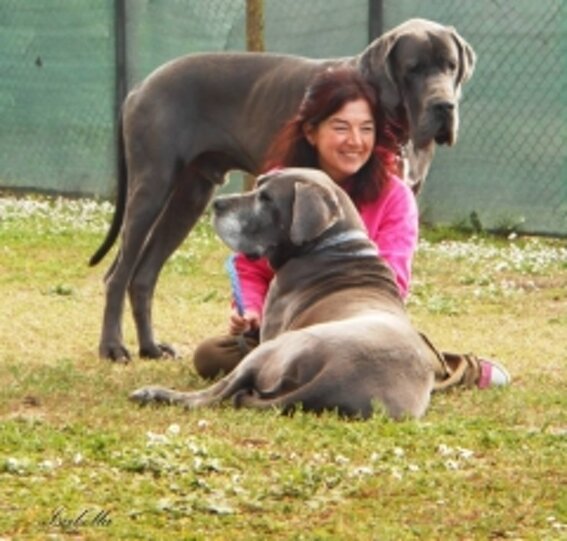
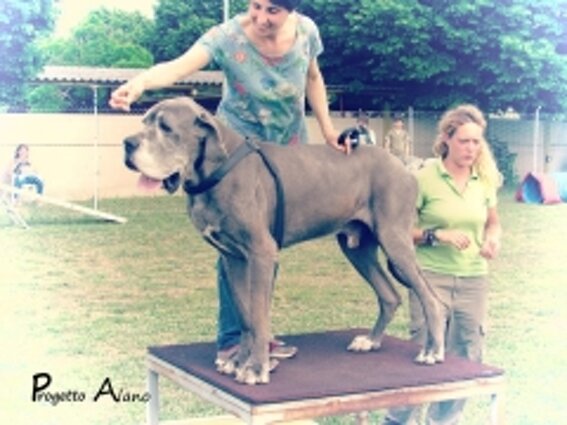
The therapeutic intervention
The anamnesis carried out with the collaboration of all family members allows for the analysis of what is not working in the relationship with the dog, identifying the causes of undesirable behaviors and diagnosing the manifested disorders, in order to formulate a cognitive-behavioral therapy that allows for the correction, with improvement percentages to be indicated case by case, of undesirable behaviors. By following the therapeutic indications, the family members strive to modify their behaviors towards the dog through a real change, which the dog can perceive as a true turning point compared to the previous situation, so clear and distinct that it leads him to modify his own behaviors, which, although negative in their eyes, are correct for him since he developed them on an adaptive basis and they represent part of his cultural baggage. In order for the dog to be motivated to such a radical change, it is necessary that the new positioning of the human family members towards him is unequivocal, as it is based on their emotional sincerity. This is because dogs, having the ability to read our mood chemically, inevitably perceive if we display behaviors not in line with the direction of our heart. The corrective indications given to the dog will therefore always be spontaneous, understandable to him, and consistent with the therapy. In the eyes of the dog, humans must appear credible in their new role as teachers to whom he can refer for guidance, trust to experience change, and rely on to go beyond his limits. The role and rank of the dog in the home is repositioned through the application of a set of rules, which offer him certainties in his daily routine and in the relationship with humans, to be adopted all together and by all family members. The systemic part, which allows for balancing the relationship between the dog and humans and for building a reference point with the aim of providing him with normative guidance, is accompanied by interventions directed at the animal's psychology related to the specific disorders found.
Privacy Policy Alani Luce Tranquilla
This site uses cookies to improve users' browsing experience and to collect information about the use of the site itself.
Legal notice - Legal notice - Mentions légales